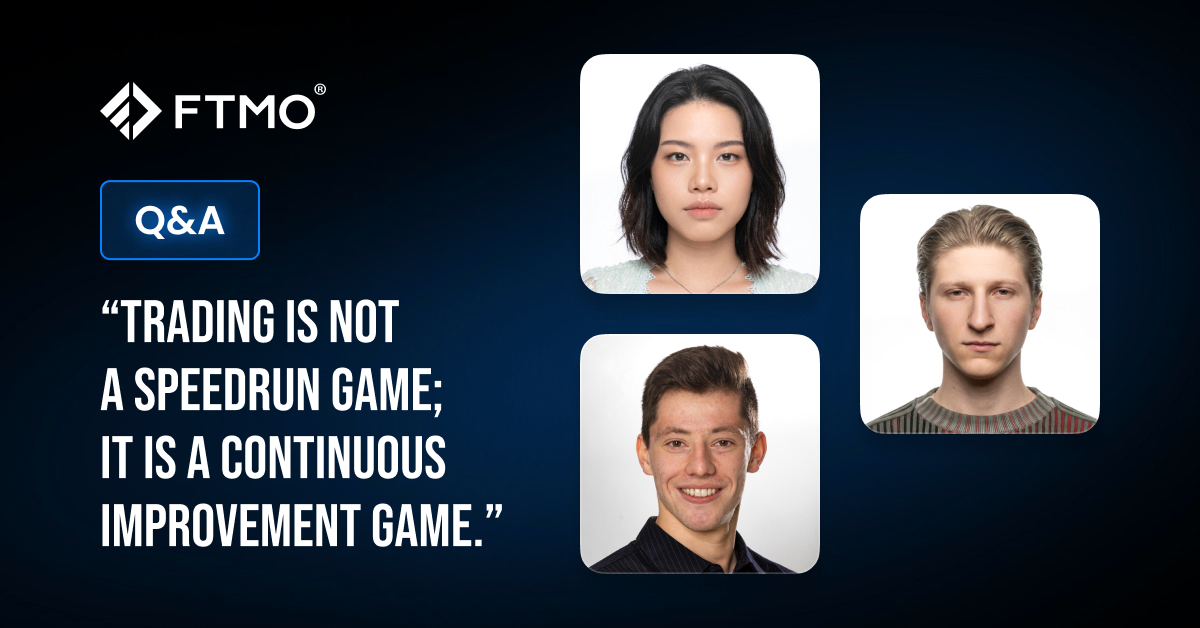
“A loss never hurts my head.”

For professional traders, a loss is just a calculated business expense. Ana-Mariya, Marcel, and Qing explain how capping their risk – sometimes as low as 0.3% per trade – removes emotional interference. Learn how they navigate red days, avoid revenge trading, and stay consistent during the FTMO Challenge.
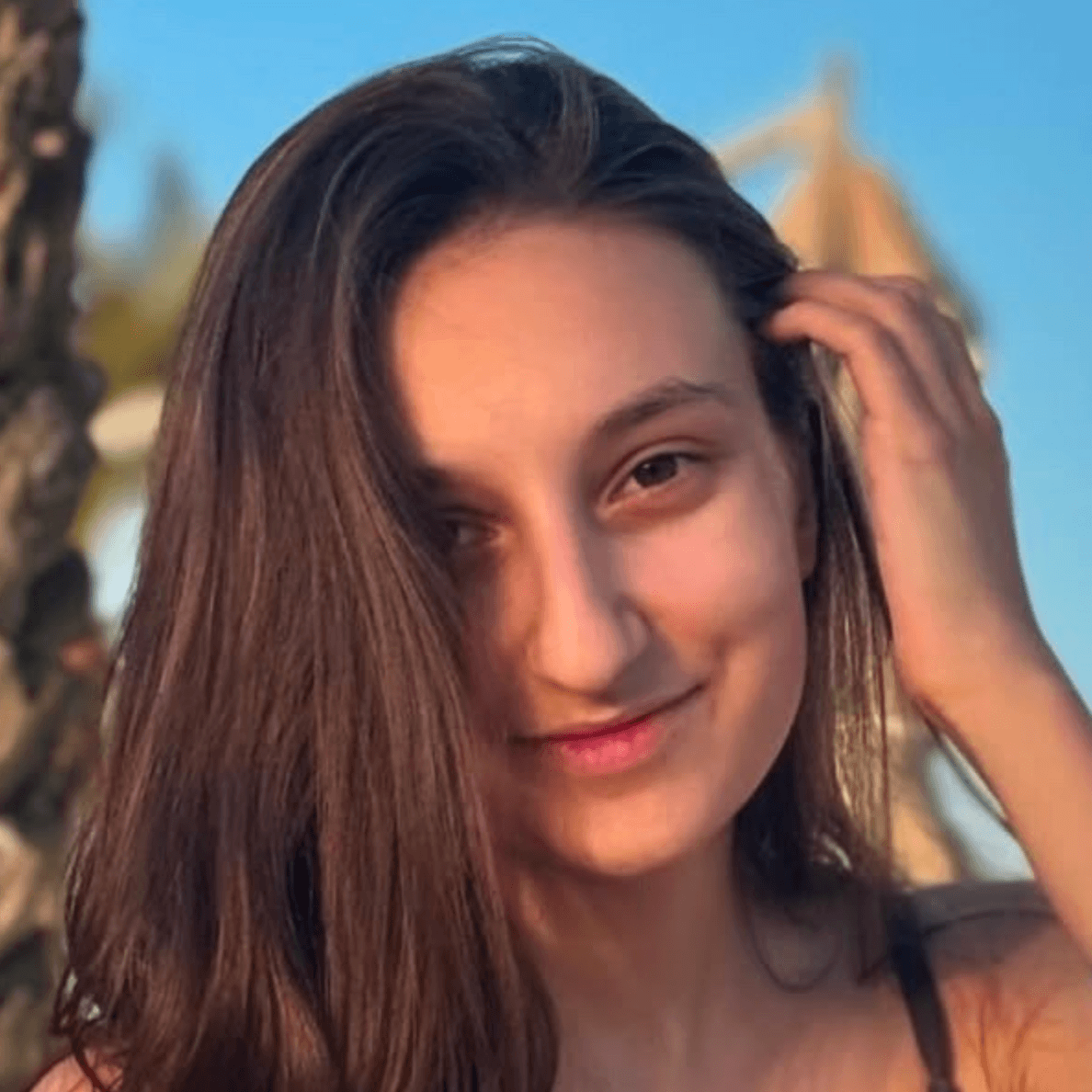
Trader Ana-Mariya: “Trading is an area where the results don’t always match the effort.”
What was easier than expected during the FTMO Challenge or Verification?
The first thing that comes to my mind is following the rules. Not only was it necessary to complete the Challenge and Verification phase, but it also helped with improving my discipline. I understood that the rules aren’t there to make it harder for traders, but the opposite – in the long term, they make it easier. The other thing is using MetaTrader 5. I don’t know why, but I expected it to take longer to get familiar with because the interface is a bit different across devices, but it was definitely easier than expected.
Where have you learnt about FTMO?
It was so long ago I can’t remember properly, but I think it was from Instagram ads, since many of the ads the algorithm shows me are trading-related.

What do you think is the key to long-term success in trading?
Discipline. Keep the losing days to small losses; don’t expect to pass a Challenge or to be profitable when on your average losing day you are losing the same amount or more than on your average winning day. Also, a huge part is reading and learning – search for information, don’t stop during hard periods, read A LOT of books, read books about mental strength, about strategies, about forex, crypto – everything. Just read. Be educated. Many people my age ask others for information and expect someone to give them the recipe, but the truth is that achieving the goal takes many hours of reading and exploring new stuff.
What was the most difficult during your FTMO Challenge or Verification, and how did you overcome it?
Dealing with the losing trades. It is hard to know when to stop and be self-aware enough to close the app and move on with your day. The first hour after closing the app on a red day, or after a series of bad days, is the biggest challenge. Just find something productive to do so you feel that your efforts are rewarded somewhere else, because trading is an area where the results don’t always match the effort.
Has your psychology ever affected your trading plan?
Yes! The human mind hasn’t evolved as fast as everything around us, and it’s basic biology that the mind is always trying to sabotage us when it comes to professions like trading, poker, etc. Discipline and self-awareness help, but when extraordinary situations in everyday life affect how you trade, don’t expect to be in top-notch condition for trading. When there is family drama, financial distress, or whatever tortures your mind, you should be focused on the markets. I recommend the FTMO Psychology course for a solid start when you’re trying to improve your mental strength, and of course, search for additional books! It’s a lot easier to manage it when you know what happens with your brain.
What is the number one piece of advice you would give to a new trader?
Read! Try to escape the Dunning-Kruger effect; don’t think you know everything. Even if you are profitable, there is always something new to learn. Also, I have a lot of advice to share, but it is “hidden” in different books, so it’s easier to say: be curious and educate yourself.

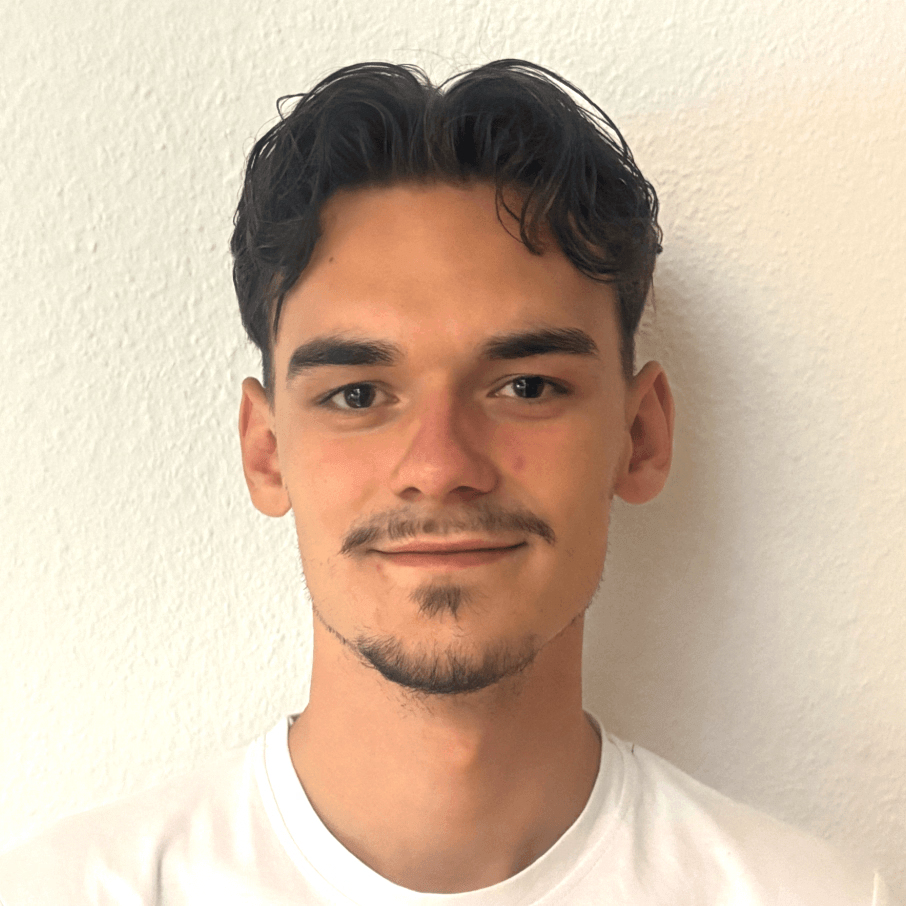
Trader Marce: “One trade should never determine the outcome of the entire Challenge.”
What was the hardest obstacle on your trading journey?
The hardest obstacle was learning to control my emotions and accept that losses are part of trading. In the beginning, I often focused too much on individual trades instead of the bigger picture. Over time, I learned to trust my strategy, manage risk properly, and stay disciplined even after a losing streak.
Describe your best trade.
My best trade was not necessarily my biggest winning trade, but one where I followed my plan perfectly. I waited patiently for my setup, entered with clearly defined risk, and stayed disciplined throughout the trade. The trade worked out well, but the biggest takeaway was knowing that I executed my strategy without letting emotions influence my decisions.

What do you think is the most important characteristic/attribute to become a profitable trader?
I believe discipline is the most important characteristic. A profitable trader needs to follow his strategy consistently, manage risk, and avoid making emotional decisions. Patience and the ability to accept losses are equally important.
What do you think is the key to long-term success in trading?
The key to long-term success is consistency. It is not about making a profit every day, but about protecting your capital, managing risk, and following a proven process over time. Staying patient and continuously learning also makes a big difference.
How did Maximum Loss limits affect your trading style?
Maximum Loss limits made me much more aware of risk management. They taught me to avoid overtrading, reduce unnecessary risk, and think in terms of probabilities rather than individual outcomes. Instead of trying to make money quickly, I focus more on protecting my account and taking only high-quality setups.
One piece of advice for people starting the FTMO Challenge now.
Do not rush the Challenge. Focus on risk management and consistency rather than trying to reach the profit target as quickly as possible. Follow your strategy, keep your position sizes under control, and remember that one trade should never determine the outcome of the entire Challenge.

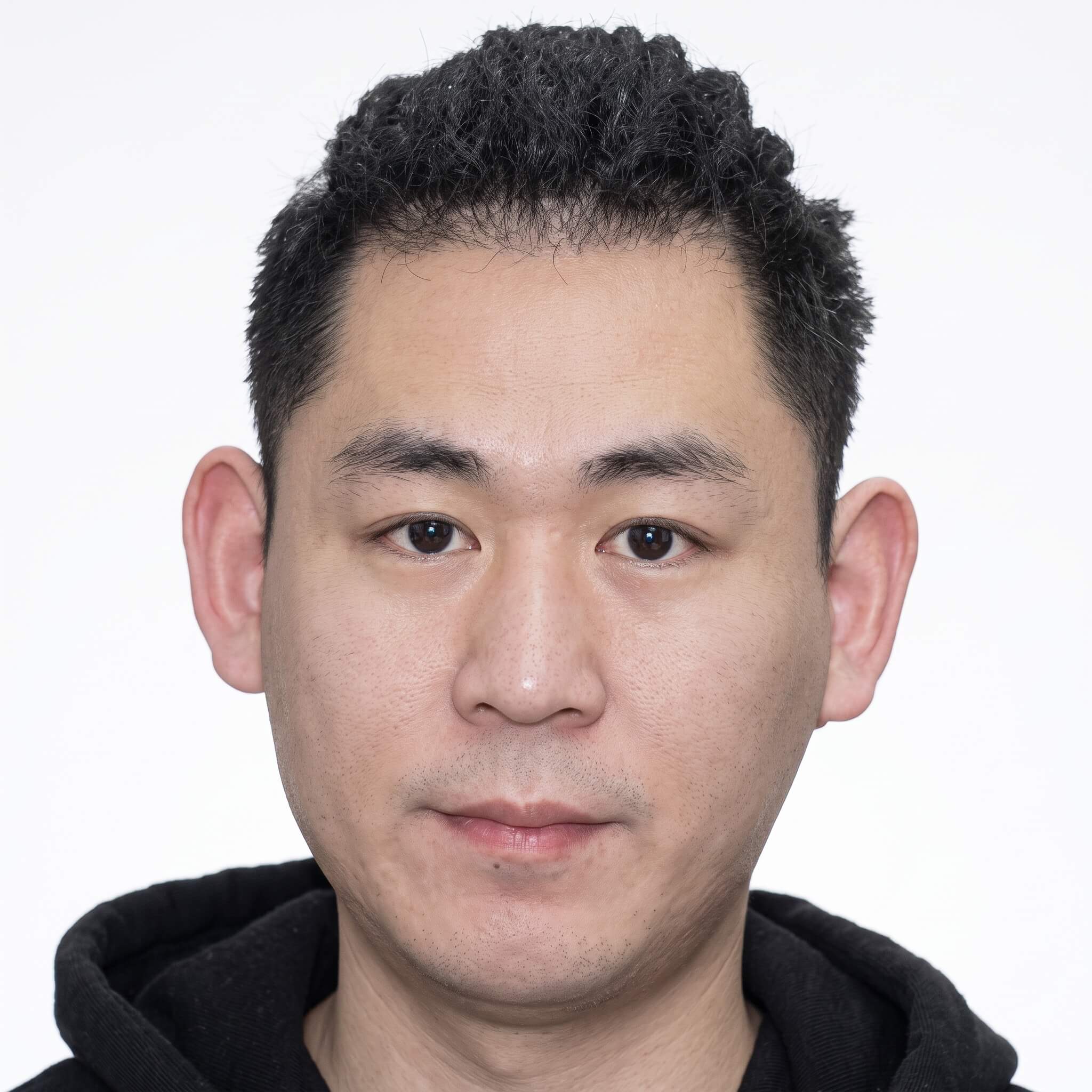
Trader Qing: “A loss never hurts my head.”
What do you think is the most important characteristic/attribute to become a profitable trader?
Patience.
How would you rate your experience with FTMO?
What stands out to me isn’t just the leverage, but how their strict parameters – like the 5% Max Daily Loss and 10% Max Loss limits – force a trader to refine position sizing and maintain strict operational discipline.

What does your risk management plan look like?
I strictly use structural Stop Losses based on key price levels. I find the logical invalidation point first, then size my position so max risk is always capped at 0.3% – 0.8% of my account. My risk plan is designed to keep emotion out of the game. By risking only 0.3% – 0.8% per trade, a loss never hurts my head. Staying calm keeps my execution consistent.
Has your psychology ever affected your trading plan?
Yes, early on I dealt with FOMO and revenge trading. Now, with a deeper understanding of market structure and market cycles, I only consider entry opportunities at key support and resistance levels. By defining my risk upfront, I effectively reduce emotional interference with my trading plan.
Do you plan to take another FTMO Challenge to manage even bigger capital?
Yes.

All information provided herein is intended solely for educational purposes related to trading on financial markets and does not constitute investment advice or serve in any way as a specific investment recommendation. Please read the full disclosure here.


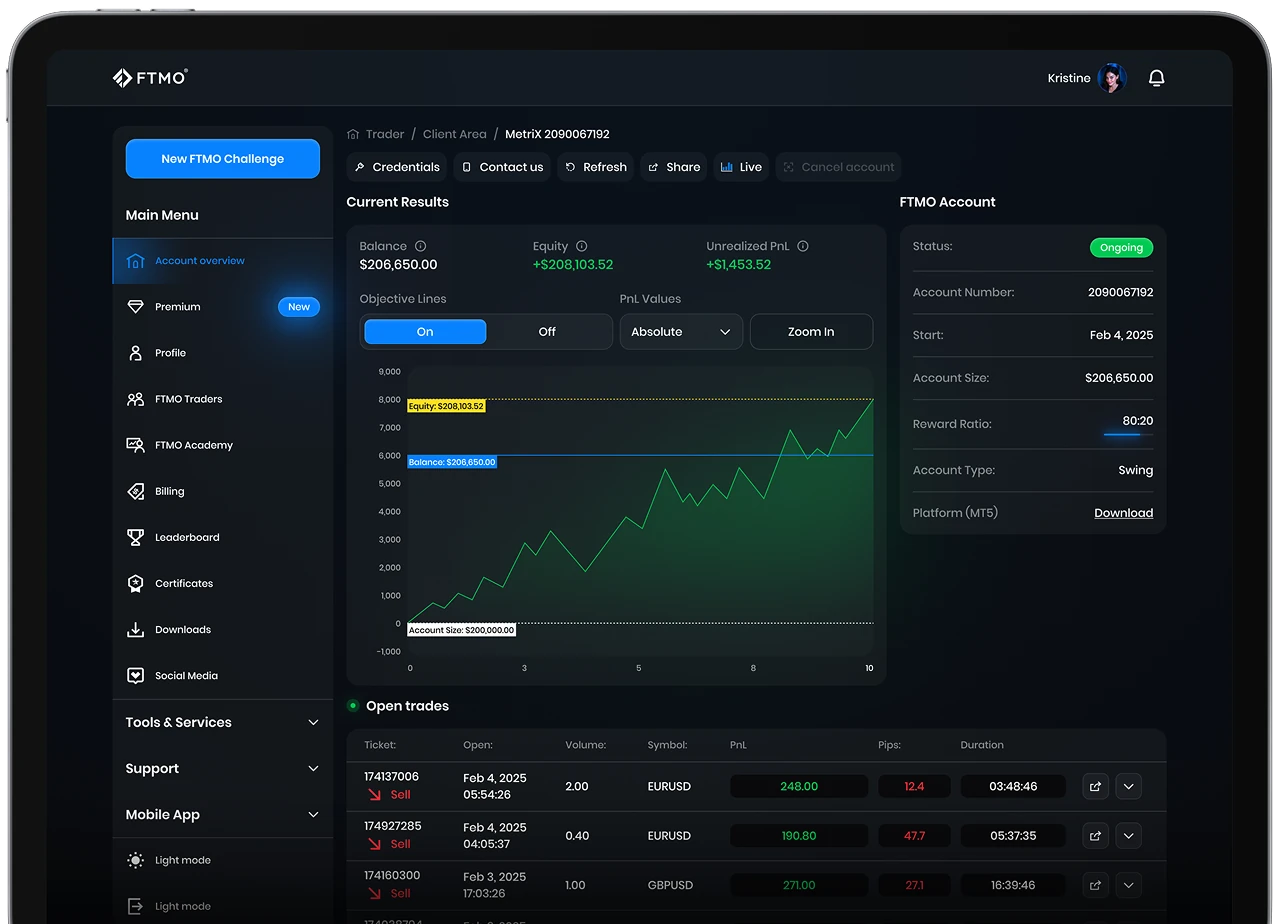
- As many Free Trials as you need
- Up to $200,000 account
- No time limit

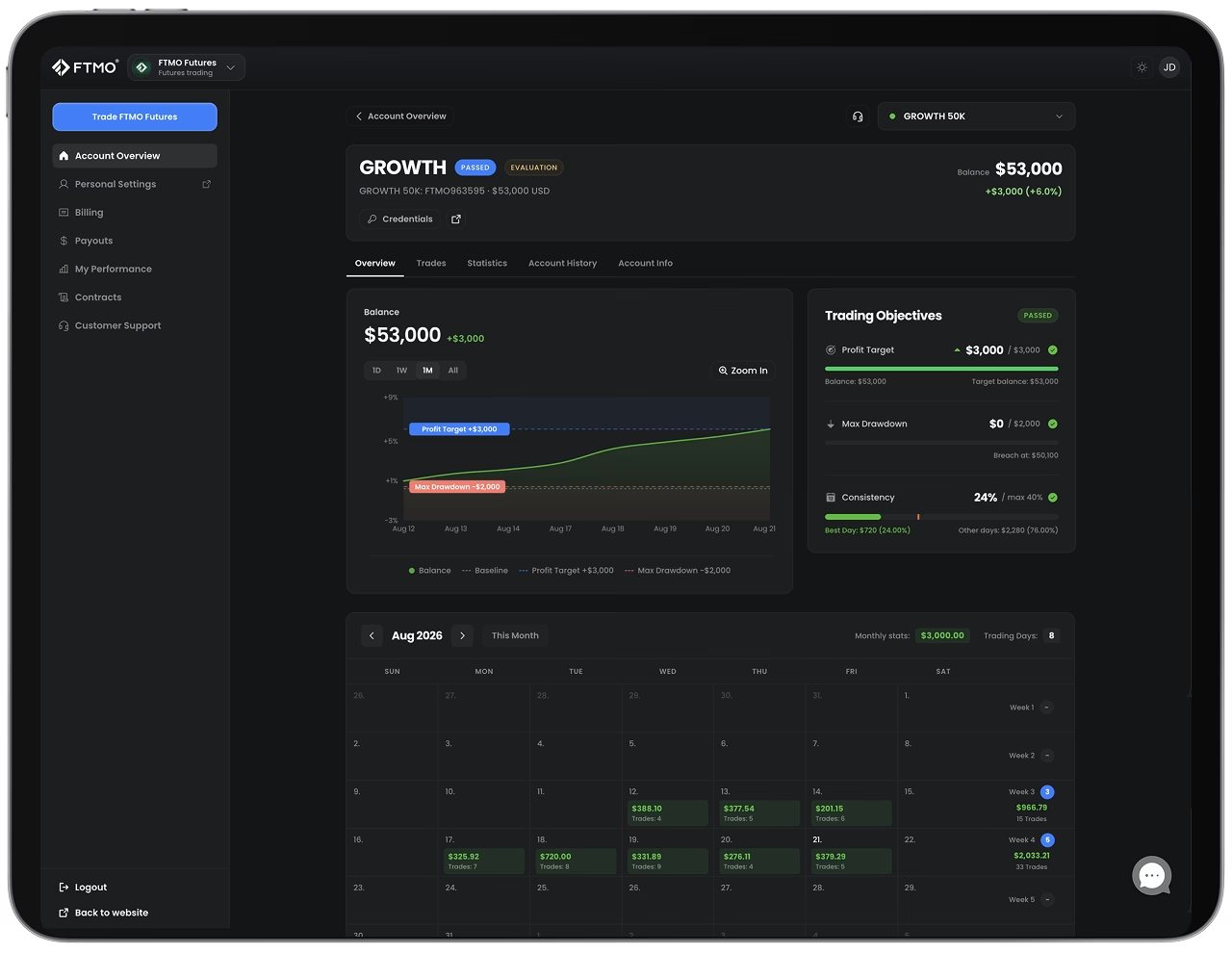
- Unlimited Evaluation Accounts
- Trade with up to 3 Sim-Funded accounts
- Up to $450,000 in simulated capital
- Keep up to 90% of your simulated profits


Worldwide Reviews