


What Is Scalping in Trading? How to Know If It’s Right for You
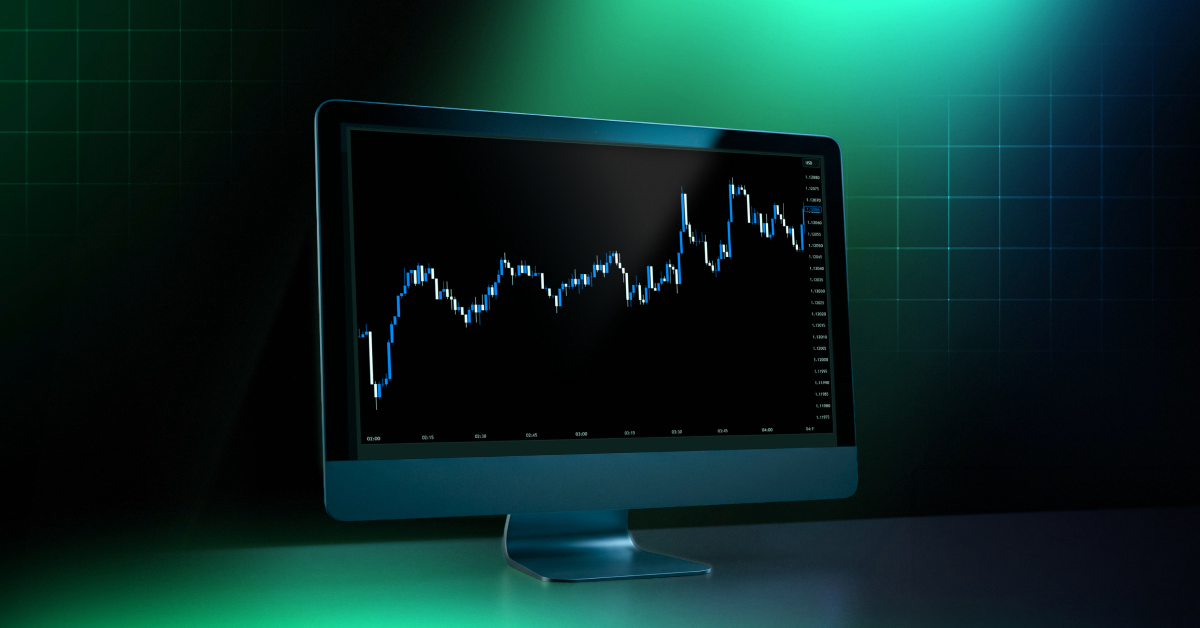
Scalping is a trading style that aims to profit from very small price moves, held for seconds or minutes, across many trades in a single session. It rewards speed, discipline and tight risk control, and it punishes hesitation.
That makes it exciting on paper and demanding in practice. This guide explains what scalping means in trading, how it works, what it asks of you and how to judge honestly whether it fits your temperament.
What Is Scalping in Trading?
Scalping is an intraday approach built on capturing small price moves, often a few pips in forex or a few ticks in futures. A scalper does not wait for a big swing. They take many short trades, each with a defined risk, and let the small results add up over the session.
A typical scalp lasts from a few seconds to a few minutes. Most scalpers work on very short charts, such as the one minute to five minute timeframes, and trade liquid instruments where spreads are tight: major forex pairs, popular indices, gold and liquid futures contracts.
The idea is simple. The execution is not. Because each target is small, a few pips of slippage or a slightly wide spread can decide whether a good setup is still worth taking. That is why scalping is as much about process and costs as it is about reading the chart.
How Forex Scalping Works
Most scalpers follow the same loop, whatever the market:
- Pick the right conditions. Scalpers look for high liquidity and short bursts of volatility, which usually means the busiest hours of a session.
- Spot a micro setup. Common triggers include momentum shifts, micro support and resistance, breakouts and fakeouts, order flow and reactions around liquidity pools.
- Define risk before entry. The stop and the target are set up front, and both are small.
- Execute fast and manage the trade. Cut a trade that stops working. Do not hope.
- Log it and move on. Every trade goes in the journal, win or lose.
A worked example
Here is an illustration with made up costs, so you can see why the maths matters. Say you trade 1 lot of EURUSD, risking 3 pips for a 4 pip target. One pip is worth about $10 on 1 lot. Assume a 0.2 pip spread ($2) and a $5 round turn commission.
| Gross | Costs | Net result | |
| Winning trade (+4 pips) | $40 | $7 | $33 |
| Losing trade (-3 pips) | -$30 | $7 | -$37 |
A trade that looks like a 4 to 3 reward to risk ratio is really 33 to 37 once costs are counted. To break even, you would need to win about 53% of your trades (37 divided by 70). Nothing is wrong with that, but it shows why scalpers track costs as closely as entries.
These figures are an illustration only. Your spreads, commissions and pip values depend on your instrument, lot size and account.

Scalping vs Day Trading vs Swing Trading
The main difference is how long you hold and how often you trade. Scalping sits at the fastest end of the scale.
| Scalping | Day trading | Swing trading | |
| Typical holding time | Seconds to minutes | Minutes to hours | Days to weeks |
| Number of trades | Many per session | A few to several per day | A few per week |
| Target per trade | A few pips or ticks | Tens of pips or more | Larger moves |
| Screen time | High, needs full focus | Medium to high | Lower |
| Sensitivity to costs | Very high | Medium | Lower |
| What it asks most of you | Speed and emotional control | Planning and patience | Patience and conviction |
None of these is better. They suit different personalities, schedules and risk habits. If you want a wider look at the middle option, read our guide to day trading.
Scalping for Beginners: Is It a Good Idea?
Scalping is not the easiest place to start. Decisions come quickly, costs weigh heavily and a few emotional trades can undo a good morning. That does not mean a beginner cannot try it. It means you should treat it as a skill to build, not a shortcut.
If you are curious, a sensible route looks like this:
- Practise in a simulated environment first. The FTMO Free Trial lets you test your approach without risking your own capital.
- Keep it narrow. One instrument, one session, one setup. Add more only when the numbers justify it.
- Trade small. Position size is the first thing to cut when you feel rushed.
- Review honestly. Use your journal and your Account MetriX stats to see what is actually working, not what felt good.
If, after a few weeks, the pace stresses you more than it sharpens you, that is useful information. A slower style may suit you better.
What You Need to Be a Successful Scalper
Four things decide whether scalping works for a trader. None of them is a secret, and all of them take work.
Psychological discipline
You will make fast decisions, again and again. Hesitation costs you the entry, and revenge trading after a loss costs you the session. A scalper needs to stay calm when a trade goes wrong, close it and wait for the next valid setup.
Technical infrastructure
When your target is a few pips, small delays matter. Fast execution, a stable connection, a reliable data feed and a platform you know inside out are part of your edge. Test your setup before you rely on it.
Risk management
Scalping only works if losses stay small. Cut losing trades quickly, keep position sizes controlled and set a daily limit you will not break. One oversized loss can erase many small wins.
Journaling
With so many trades, patterns hide easily. Record the entry and exit, the reason for the trade, the market context, your emotional state and any rule you broke. Review it weekly. The journal is where discipline becomes data.
What to Look For in Your Trading Conditions
For a scalper, conditions are part of the strategy. Before you trade this style, check the basics:
- Spreads. Tight and stable spreads keep your costs low. Watch for spreads widening around news releases and at the end of the trading day.
- Commissions. Add them to the spread to get your real cost per trade, as in the example above.
- Execution speed and slippage. Know how your orders fill in fast markets, and how much slippage you should expect.
- Liquidity. Stick to instruments with deep order books during their most active hours.
- The rules of your account. Every account type has its own trading rules. Read them before you plan a scalping approach, not after.
Quiet, low volatility markets can look like a good fit for small targets. They can also leave you fighting the spread with no room to move. Judge each session on the numbers, not on a rule of thumb.
Scalping on an FTMO Account
An FTMO Account gives you a simulated trading environment with clear rules on risk, such as the Maximum Daily Loss and the Maximum Loss. The rules are the same for everyone, and any style, scalping included, has to fit inside them.
That has practical consequences for scalpers:
- Many small losses add up. A run of stopped out trades counts against your Daily Limit just like one big loss, so position size matters more than win rate.
- Costs count. Spreads and commissions come out of your results on every trade.
- Data helps. Account MetriX shows how your trading behaves over time, so you can see whether your scalping is consistent or only feels busy.
Before you build a scalping plan, read the current Trading Objectives and Trading Rules for your account type on ftmo.com. If you are still testing the style, start with the Free Trial.
Pros and Cons of Scalping
Advantages
- Frequent setups. Liquid markets offer many short opportunities in a session.
- Short exposure per trade. Each position is open briefly, so you are less exposed to overnight gaps and long reversals. Fast news spikes can still hit a scalp, so this is not the same as low risk.
- A clean finish. Many scalpers close the day flat and leave the screen behind.
- Fast feedback. You collect a lot of data quickly, which helps you improve if you review it.
Disadvantages
- High mental load. Constant focus and quick decisions are tiring, and fatigue leads to mistakes.
- Cost sensitivity. Spreads and commissions take a bigger bite out of small targets.
- Infrastructure dependence. Slow execution or an unstable connection can turn a good setup into a bad trade.
- Costly errors. Overtrading or one oversized position can erase a session of small gains.
- Not for every personality. If you dislike pressure or like to think things through, this style may wear you down.

Is Scalping Right for You?
Be honest with these questions:
- Can you stay calm and follow your rules when three trades in a row go against you?
- Can you close a losing trade immediately, without arguing with yourself?
- Can you give a session your full attention, without interruptions?
- Do you have a stable setup and know your real costs per trade?
- Will you keep a journal and review it, even when you are tired?
- Do you enjoy fast decisions, rather than just tolerate them?
If most answers are yes, scalping may suit you, and a simulated environment is the right place to test it. If most are no, that is not a failure. It points you towards a slower style where your strengths count for more.
The choice is yours. Whatever you pick, the work is the same: clear rules, controlled risk and a record of what you actually do.
FAQ
Is scalping legal?
Scalping as a trading style is legal in most markets. What you can do still depends on your broker, trading venue and account rules, so check them. This is general information, not legal advice. Note that “scalping” also has other meanings, such as ticket resale, which have nothing to do with trading.
Is scalping profitable?
Some traders make it work, many do not. Results depend on your edge, your costs, your risk control and your discipline. No style guarantees profit, and scalping leaves little room for sloppy execution.
Is scalping good for beginners?
It is demanding for beginners because it is fast and cost sensitive. If you want to try it, practise in a simulated environment first, keep position sizes small and review every session.
Is scalping like gambling?
It can turn into gambling if you trade without a plan, chase losses or overtrade. With defined rules, controlled risk and a journal, it is a structured process. The difference is behaviour, not the timeframe.
Which timeframe is best for scalping?
Most scalpers use the one to five minute charts, often with a higher timeframe for context. The right one is the one where you can execute your rules consistently.
What markets do scalpers trade?
Liquid ones with tight spreads, such as major forex pairs, popular indices, gold and liquid futures. Always check the costs before you commit to an instrument.

All information provided herein is intended solely for educational purposes related to trading on financial markets and does not constitute investment advice or serve in any way as a specific investment recommendation. Please read the full disclosure here.


Related




- Unlimited Evaluation Accounts
- Trade with up to 3 Sim-Funded accounts
- Up to $450,000 in simulated capital
- Keep up to 90% of your simulated profits


Worldwide Reviews